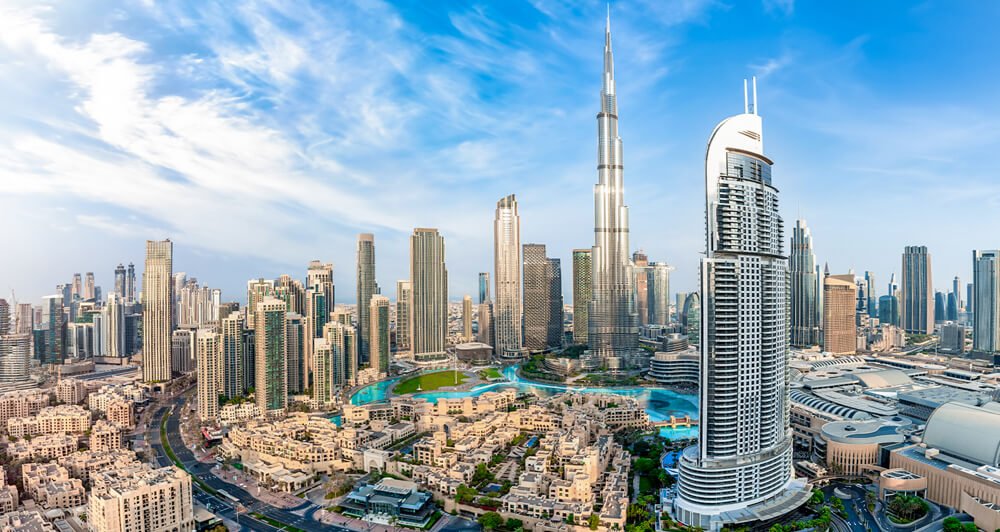
TL;DR: Sharjah is the UAE’s UNESCO-designated Cultural Capital, located just 15–30 minutes from Dubai. The emirate offers over a dozen world-class museums, immersive heritage districts, family-friendly attractions, traditional souks, and dramatic desert landscapes – all at a fraction of Dubai’s price point.
Most visitors to the UAE land in Dubai, spend a week, and leave. They never make the short drive north. That’s a genuine missed opportunity – because Sharjah, separated from Dubai by only a stretch of highway, offers a completely different kind of UAE experience.
This is the emirate that UNESCO designated Arab Cultural Capital in 1998. The place where calligraphy is considered fine art, where souks still smell of oud and saffron, and where architecture tells stories that skyscrapers cannot. Whether you’re a history lover, a traveling family, an art collector, or simply curious about Emirati life beyond the glitter, Sharjah rewards every type of visitor.
Here’s your complete guide to the best things to do in Sharjah – from legendary museums to hidden souks, family parks, and unmissable day trips.
Why Visit Sharjah? The Cultural Heart of the United Arab Emirates
Beyond the Skyscrapers: Sharjah as the “Antidote” to Dubai
Dubai dazzles. Nobody disputes that. But Sharjah offers something Dubai deliberately moved away from: a preserved, living connection to Emirati heritage. There are no nightclubs here. Alcohol is prohibited. Instead, you’ll find communities centered around knowledge, art, and tradition.
That deliberate cultural conservatism creates an atmosphere that feels genuinely distinct. Walking through Sharjah’s heritage areas, you’re not looking at a recreation – you’re walking through restored, inhabited history.
UNESCO Cultural Capital: Understanding Sharjah’s Global Recognition
Sharjah’s UNESCO designation wasn’t ceremonial. The emirate has invested heavily in cultural infrastructure, housing more than 20 museums across its territory. The ruling family’s commitment to arts and education has produced institutions that rival those in far larger, wealthier cities. For serious culture travelers, Sharjah is a destination in its own right.
Immersive Museums: A Deep Dive into Islamic Heritage and Art
Sharjah’s museum network is the densest concentration of quality cultural institutions in the Gulf. These are the standout Sharjah attractions for first-time visitors.
Sharjah Museum of Islamic Civilization: Manuscripts, Astrolabes, and the Holy Ka’ba
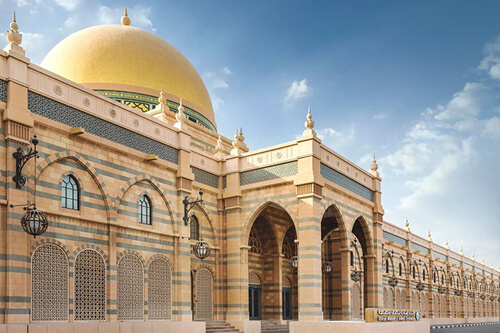
Housed in a beautifully restored souq building topped with a golden dome, this museum traces 1,400 years of Islamic scientific, artistic, and spiritual achievement. The collection includes ancient Quran manuscripts, navigational astrolabes, and a stunning replica of the kiswa – the cloth covering of the Holy Ka’ba. Set aside at least two hours.
Sharjah Art Museum: From Orientalist Oil Paintings to Contemporary Galleries
One of the largest art museums in the Gulf, the Sharjah Art Museum holds a permanent collection spanning Orientalist paintings from the 19th century alongside works by contemporary Arab artists. Entry is free, making it one of the best-value tourist attractions in Sharjah.
Sharjah Calligraphy Museum: The Beauty of the Written Word
Dedicated entirely to the art of Arabic calligraphy, this small but extraordinary museum showcases works that range from classical to experimental. It’s a quiet, contemplative space – and genuinely unlike anything else in the UAE.
Al Mahatta Museum: Aviation History and the First Airport in the Gulf
Sharjah’s original airport, opened in 1932, now operates as a fascinating aviation museum. Restored aircraft sit on the original tarmac alongside exhibits documenting the early days of Gulf air travel. Aviation enthusiasts and curious kids alike love it.
Sharjah Classic Cars Museum: A Haven for Vintage Car Enthusiasts
Over 100 vintage and classic vehicles – including rare American muscle cars and elegant European models – are displayed across a well-curated space. A surprising gem, and one of the more unusual places to visit in Sharjah.
Exploring the "Heart of Sharjah": A Journey Into the Past
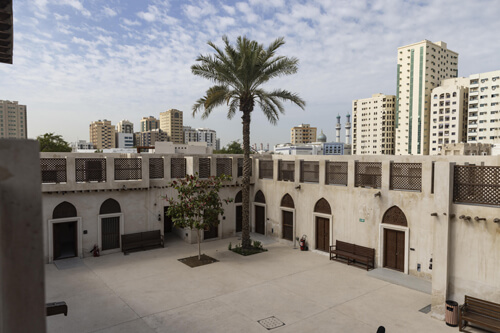
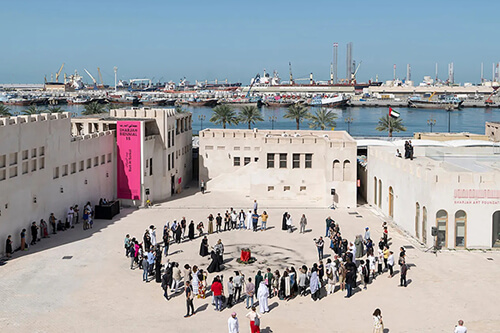
The Heart of Sharjah is a large-scale urban restoration project transforming the city’s historic core into a walkable heritage district. It’s among the best places in Sharjah for an afternoon of slow, immersive exploration.
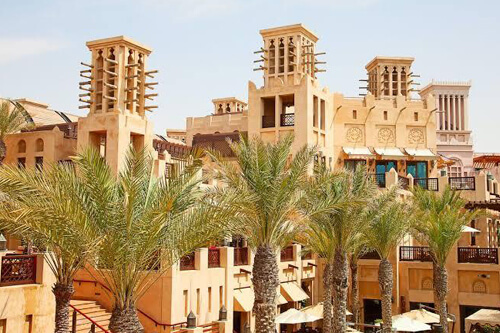
Traditional Arabian Architecture: Wind Towers and Coral Stone Walls
The district’s restored buildings showcase barjeel (wind towers), coral-stone walls, and shaded courtyards – all traditional techniques adapted to the Gulf’s demanding climate. Strolling through, camera in hand, rewards you at every turn.
Bait Al Naboodah: A Glimpse into the Life of a Wealthy Pearl Merchant
This beautifully preserved 19th-century home belonged to one of Sharjah’s most prominent pearl merchants. Room by room, the house reveals what wealthy Emirati domestic life looked like before oil changed everything.
Sharjah Fort (Al Hisn): The Seat of Government and Defense
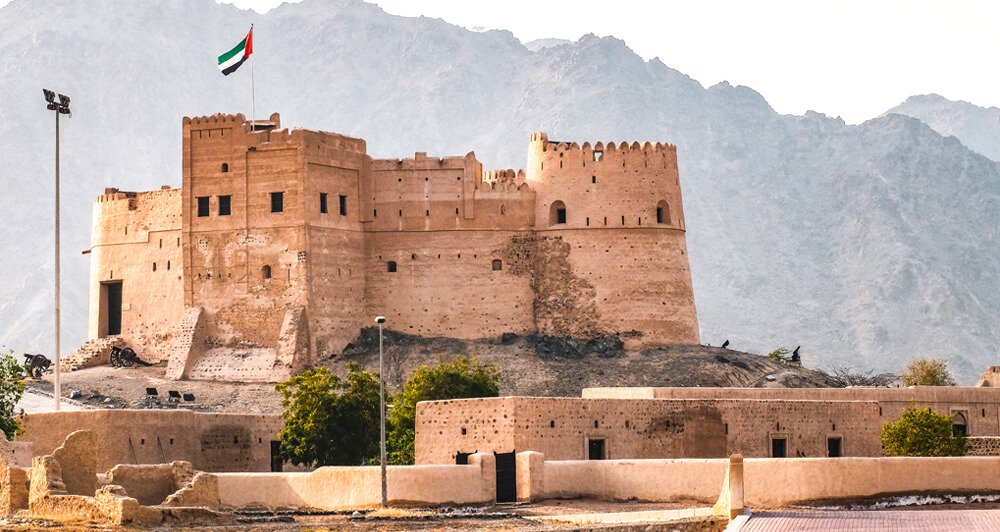
The restored Al Hisn Fort, originally built in the 18th century, served as the ruling family’s residence and the emirate’s primary defensive structure. Today, the fort’s exhibits document Sharjah’s transformation from a pearl-trading port to a modern emirate.
Sharjah Heritage Museum: Understanding Emirati Customs and Folklore
From traditional dress and wedding ceremonies to falconry and pearl diving, the Sharjah Heritage Museum covers the full breadth of Emirati cultural life with clarity and depth.
Modern Wonders and Contemporary Art
Sharjah doesn’t live only in the past. Several remarkable contemporary venues have made the emirate an increasingly exciting destination on the international art circuit.
The Rain Room: An Immersive Experience in the Sharjah Art Foundation
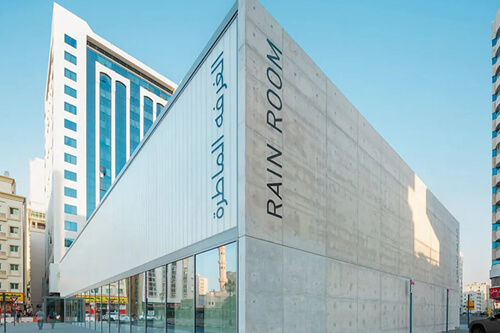
Random International’s Rain Room – a field of falling rain that stops wherever a human body moves – is one of the most talked-about immersive art installations in the world. Its Sharjah presentation at the Sharjah Art Foundation draws visitors from across the region.
House of Wisdom: Redefining the Modern Library and Cultural Hub
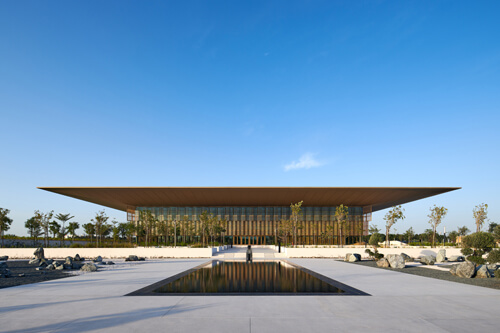
Opened in 2020, the House of Wisdom is a stunning architectural achievement and one of the UAE’s most progressive public spaces. Part library, part cultural hub, part event venue, the building is designed to inspire curiosity in everyone who enters.
Sharjah Art Biennale: International Art in a Traditional Setting
Established in 1993, the Sharjah Art Biennale is one of the oldest and most respected contemporary art events in the Arab world. Held every two years, the biennial transforms city spaces into galleries featuring artists from across the globe.
Sharjah Light Festival: When Architecture Becomes a Canvas
Each February, the Sharjah Light Festival turns the emirate’s landmarks into projection canvases, with light artists from around the world creating extraordinary public installations. It’s a family-friendly spectacle and one of the best free things to do in Sharjah during winter.
Family-Friendly Attractions: Learning Through Play
Sharjah consistently ranks as one of the UAE’s most family-oriented emirates. The volume and quality of child-friendly attractions here is genuinely impressive.
Sharjah Science Museum: Hands-on Experiments for Curious Minds
Over 100 interactive exhibits covering physics, biology, and technology make this one of the most engaging educational attractions in the UAE for school-age children.
Sharjah Aquarium & Maritime Museum: Discovering the Secrets of the Pearl Trade
The adjacent Sharjah Aquarium and Maritime Museum covers both the underwater world of the Gulf and the human history of the pearl trade that once sustained these communities. A natural pairing.
Al Noor Island: Butterflies, Modern Art Installations, and Literature
Al Noor Island combines a butterfly house, a sculpture park, and a literature pavilion in a beautifully landscaped setting on Khalid Lagoon. It’s lovely at dusk, when the island’s lights reflect across the water.
Al Majaz Waterfront: Khalid Lagoon, Mini-Golf, and the Sharjah Musical Fountain
The Al Majaz Waterfront is one of Sharjah’s most popular public spaces – and one of the best free things to do in Sharjah for families. The Sharjah Musical Fountain, one of the largest in the region, performs nightly over the lagoon.
Sharjah Discovery Centre: Targeted Edutainment for Children
Designed specifically for younger children, the Sharjah Discovery Centre uses role-play environments – a hospital, a supermarket, a TV studio – to teach practical life skills through imaginative play.
Wildlife and Nature: Connecting with the Arabian Desert
Sharjah Desert Park: Three Attractions in One Destination
The Sharjah Desert Park combines the Arabian Wildlife Centre, the Children’s Farm, and the Natural History Museum in a single complex on the outskirts of the city. It’s the most complete wildlife experience in the northern Emirates.
Arabian Wildlife Centre: Seeing the Elusive Arabian Leopard
The Arabian Wildlife Centre houses species found across the Arabian Peninsula, including the critically endangered Arabian leopard. Seeing these animals in a thoughtfully designed conservation setting is genuinely moving.
Children’s Farm: Interactive Animal Encounters
Younger visitors can interact with goats, rabbits, and other domestic animals at the Children’s Farm – a gentle, hands-on experience that complements the wildlife center’s more formal exhibitions.
Sharjah National Park: The Perfect Spot for a Family Picnic
Sharjah National Park offers wide green lawns, walking paths, and picnic areas – a pleasant escape from urban intensity, particularly during the cooler months between November and March.
The Authentic Souk Experience: Shopping Beyond the Malls
For many visitors, Sharjah’s souks represent the emirate’s most compelling places to visit. These are living markets, not tourist reconstructions.
Central Souq (The Blue Souq): Finding Rare Antiques, Carpets, and Jewellery
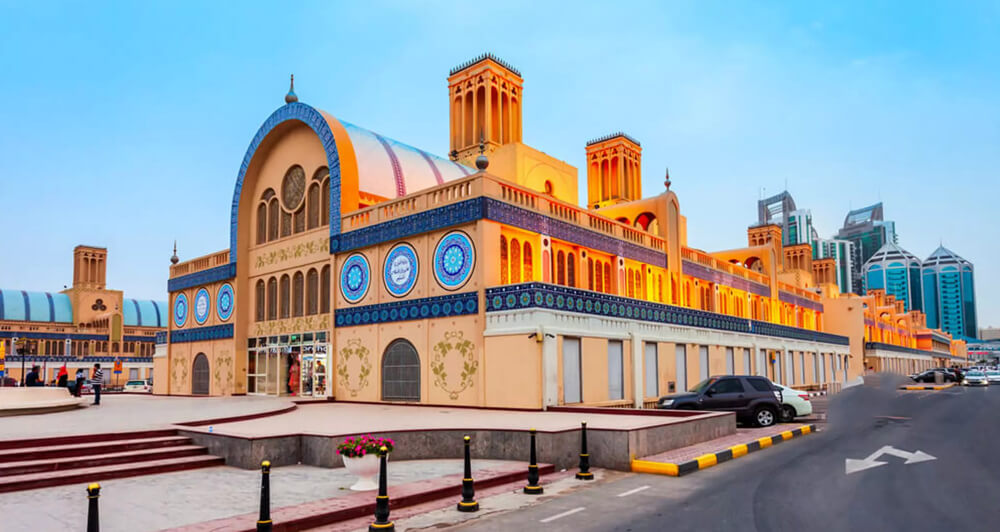
Sharjah’s most iconic souk building – recognizable by its distinctive blue-tile facade – houses hundreds of shops selling everything from Persian carpets and antique silverware to gold jewelry and souvenirs. Bargaining is expected and encouraged.
Souq Al Jubail: A Masterpiece of Architecture for Fresh Produce and Fish
The dramatic geometric roof of Souq Al Jubail shelters one of the region’s finest fresh produce and seafood markets. Go early morning for the full experience – the fish section alone is worth the trip.
Souq Al Arsa: One of the Oldest Traditional Marketplaces in the UAE
Tucked behind the heritage area, Souq Al Arsa is believed to be one of the oldest markets in the UAE. Narrow alleyways, wooden benches, and shops selling traditional crafts create an atmosphere of quiet, unhurried commerce.
Day Trips from the City: History and Scenery
Mleiha Archaeological Centre: Uncovering Thousands of Years of History
Located about 45 minutes from the city center, the Mleiha Archaeological Centre sits within a landscape that has yielded evidence of human habitation dating back 130,000 years. The modern visitor center presents these discoveries compellingly, and guided desert excursions depart directly from the site.
Khorfakkan: Waterfalls, Mountains, and the Heritage Resistance Monument
Sharjah’s east-coast exclave of Khorfakkan offers a dramatically different landscape: Hajar Mountain wadis, small waterfalls, and a coastline on the Gulf of Oman. The Heritage Resistance Monument commemorates local resistance to Portuguese colonial incursions in the 16th century.
Al Dhaid and the Sharjah Safari: A Taste of the Interior
The Sharjah Safari, held seasonally in the Al Dhaid area, is one of the largest wildlife events in the region – offering guided drives through open landscapes where Arabian oryx, giraffes, and other species roam in semi-wild conditions.
Practical Tips for Your Visit to Sharjah
Navigating Logistics: How to Manage the Dubai-Sharjah Traffic
The Dubai-Sharjah highway is one of the most congested roads in the UAE. Travel during off-peak hours – avoid 7–9 AM and 5–8 PM on weekdays. The drive can take anywhere from 20 minutes (off-peak) to 90 minutes (peak hour).
Understanding the Vibe: Respectful Dress Codes and Cultural Etiquette
Sharjah applies more conservative standards than Dubai. Dress modestly in public spaces – shoulders and knees covered is the general guideline. Alcohol is not available anywhere in the emirate.
Sharjah vs. Dubai: A Comparison of Costs and Experiences
| Category | Sharjah | Dubai |
|---|---|---|
| Museum entry | Free to AED 15 | AED 25–150+ |
| Dining | AED 20–60 per person | AED 50–200+ per person |
| Hotel (mid-range) | AED 150–300/night | AED 400–900/night |
| Atmosphere | Cultural, relaxed | Fast-paced, commercial |
Choose Sharjah if cultural depth and value matter more than nightlife and luxury branding. Choose Dubai if skyline thrills and resort experiences are the priority.
Best Time to Visit: Festivals, Iftars, and Seasonal Weather
November to March offers the most comfortable temperatures for outdoor exploration. Visiting during Ramadan adds a special dimension – the communal Iftar atmosphere across the city’s waterfront is memorable. The Sharjah Light Festival (February) and Sharjah Art Biennale (odd years) are worth planning around.
Why Sharjah Deserves a Spot on Your UAE Itinerary
Sharjah doesn’t compete with Dubai. It complements it – offering depth where Dubai offers spectacle, tradition where Dubai offers innovation, and genuine cultural immersion where Dubai offers curated experience.
A single day in Sharjah will change how you see the UAE. Two days will make you want to come back. And the emirate’s Sharjah tourist places continue to expand every year, with new cultural institutions and restored heritage districts adding layers to an already rich destination.
Ready to explore Sharjah and beyond? Book your UAE experiences through Things To Do UAE – the region’s trusted ticketing and experience platform, with seamless booking for museums, tours, and family attractions across all the emirates.